 By Kailash Nagar
 The single-screen cinema has a special place in the emotional geography of Indian cities. Before multiplexes reorganised the film-going experience into a standardised, mall-embedded format, the standalone cinema hall was the neighbourhood’s entertainment anchor — a building that shaped social rhythms, created shared memories, and gave communities a common cultural reference point. Savitri Cinema Complex carries that legacy. Whether you know it from childhood visits, from its presence as a landmark in daily navigation, or from its continued role as a commercial and entertainment destination — this article covers everything you need to know about Savitri Cinema Complex, its history, what it offers today, and why it continues to matter.
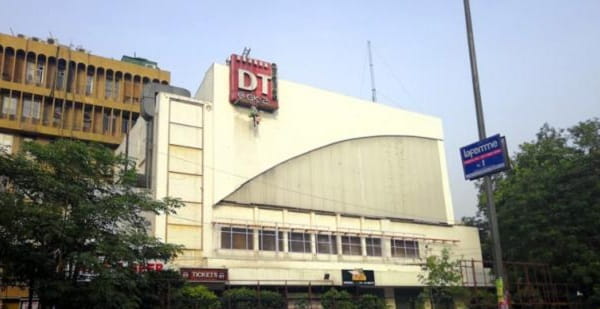
Savitri Cinema Complex Quick Overview
| Feature | Details |
| Full Name | Savitri Cinema Complex |
| Location | New Delhi (Chirag Delhi Area), Delhi |
| Type | Cinema Hall and Commercial Complex |
| Cinema Type | Single-Screen Theatre |
| Managed By | Private Management |
| Nearest Metro Station | Chirag Delhi — Magenta Line |
| Nearest Railway Station | Hazrat Nizamuddin Station (~6-7 km) |
| Nearest Airport | Indira Gandhi International Airport (~10-12 km) |
| Nearby Areas | Greater Kailash, Malviya Nagar, Sheikh Sarai, Hauz Khas |
| Bus Connectivity | DTC Buses via Outer Ring Road Corridor |
| Parking | Available in and around the complex |
| Known For | Iconic South Delhi Cinema Landmark |
The Single-Screen Cinema as Urban Institution
Before understanding Savitri Cinema Complex specifically, it is worth understanding what the single-screen cinema meant — and in many cases still means — to Indian urban communities. Through most of the twentieth century, the neighbourhood cinema hall was where Indian cities went to the movies. Not just as entertainment but as social ritual — families on Sunday afternoons, couples on first dates, groups of friends watching blockbusters on opening weekend, children experiencing the magic of a darkened hall and a large screen for the very first time.
These cinema halls were not just buildings. They were civic institutions — present on mental maps, referenced in directions, remembered across generations. “Near the Savitri Cinema” was the kind of directional anchor that residents of South Delhi used and still use instinctively, whether or not they regularly attended screenings.
Savitri Cinema earned this status in South Delhi’s Chirag Delhi area through decades of being the local film-going destination for the dense and established residential communities that characterise this part of the city. Greater Kailash, Malviya Nagar, Sheikh Sarai, Hauz Khas, and the other South Delhi neighbourhoods in the surrounding radius all developed a relationship with Savitri Cinema as the neighbourhood screen where Hindi cinema was watched and remembered.
Savitri Cinema Complex: Beyond the Screen
The Savitri Cinema Complex today is more than just a cinema hall — it is a broader commercial destination that has evolved with the changing needs of the surrounding neighbourhood. The commercial spaces within and around the complex house retail shops, food and beverage establishments, service businesses, and other outlets that cater to the daily needs of the area’s large and commercially active resident population.
This evolution from purely cinema-focused to mixed commercial use mirrors the trajectory of many iconic single-screen venues across Indian cities. As the multiplex revolution changed where urban Indians went to watch films, single-screen cinemas that survived did so by becoming more than cinemas — by developing the commercial spaces around them into genuine neighbourhood retail and service destinations that drew footfall independent of film schedules.
The cinema hall itself continues to operate and screen films for audiences who value the single-screen experience — the scale, the atmosphere, and the unmediated relationship between screen and audience that no multiplex lobby can quite replicate. For a significant section of South Delhi’s population, Savitri Cinema remains their preferred film-going choice — a preference shaped as much by familiarity and emotional connection as by the practical convenience of a local destination.
Location: South Delhi’s Chirag Delhi Corridor
Savitri Cinema Complex is located in the Chirag Delhi area of South Delhi — a well-established, densely populated locality that sits within the established residential belt of South Delhi between Greater Kailash and the Outer Ring Road corridor. Chirag Delhi is one of the older residential localities in this part of the city, with a community character shaped by decades of settled residential life rather than the newer development patterns of the southern suburbs.
The surrounding area reflects the social fabric of established South Delhi — residential colonies, local markets, schools, hospitals, and civic facilities that together create a self-sufficient neighbourhood environment. The Savitri Cinema Complex sits within this fabric as a commercial and entertainment anchor that the community has organised around for generations.
Nearby localities including Greater Kailash, Malviya Nagar, Sheikh Sarai, and Hauz Khas give the complex a large residential catchment — a population of hundreds of thousands of South Delhi residents within a reasonable distance who contribute to the consistent footfall that sustains the complex’s commercial and entertainment activity.
Connectivity: South Delhi Well Served
The Chirag Delhi area is served by the Magenta Line of the Delhi Metro — the Chirag Delhi station providing metro connectivity to the airport via the Janakpuri West and Botanical Garden corridors, and onwards to the broader metro network. This metro access has significantly improved connectivity for the complex, making it reachable from other parts of Delhi without depending on road transport.
By road, the Outer Ring Road corridor provides strong vehicular connectivity to the complex from both the northern and southern parts of South Delhi. DTC buses serve the Outer Ring Road route and the Chirag Delhi area through multiple routes connecting to major transit points across the city. Auto-rickshaws are widely available in the area and provide flexible last-mile access from metro stations and bus stops.
Indira Gandhi International Airport is approximately 10 to 12 kilometres from the Chirag Delhi area — a 20 to 35 minute drive depending on traffic — making the complex accessible for visitors arriving in Delhi by air who have connections in South Delhi.
Infrastructure and the Complex Today
The Savitri Cinema Complex campus encompasses the main cinema hall and the surrounding commercial spaces that together constitute the complete complex. The cinema hall maintains its operational infrastructure — projection facilities, ticketing and concession arrangements, seating capacity, and the basic amenities that film audiences expect.
The commercial spaces within the complex include retail units, food outlets, and service businesses that serve the surrounding neighbourhood’s everyday needs. The complex benefits from the organised commercial streetscape of the Chirag Delhi area — banks, pharmacies, markets, and complementary services within easy walking distance.
Parking is available within and around the complex for visitors arriving by vehicle, and the metro connectivity at Chirag Delhi station provides a practical alternative for those travelling from farther parts of the city.
Frequently Asked Questions
Q1. Where is Savitri Cinema Complex located?
A: In the Chirag Delhi area of South Delhi, near Greater Kailash and Malviya Nagar. The Chirag Delhi Metro Station on the Magenta Line is the nearest metro access point.
Q2. Is Savitri Cinema still operational as a cinema hall?
A: Yes. Savitri Cinema continues to operate as a single-screen cinema hall in South Delhi, screening Hindi films for audiences who value the classic single-screen experience it offers.
Q3. How do I reach Savitri Cinema Complex by Delhi Metro?
A: Take the Magenta Line to Chirag Delhi station. The complex is accessible from the station by auto-rickshaw or on foot depending on the exact approach. The Magenta Line connects to the broader metro network at Janakpuri West and Botanical Garden.
Q4. What commercial establishments are in the complex beyond the cinema?
A: Retail shops, food outlets, and service businesses within and around the complex cater to the everyday commercial needs of the surrounding South Delhi residential community.
Q5. Why do single-screen cinemas like Savitri still matter in Delhi?
A: They serve as neighbourhood entertainment institutions with deep community roots — offering a film-going experience that is local, familiar, and accessible in a way that mall-embedded multiplexes are not. For many South Delhi residents, Savitri Cinema is part of the neighbourhood’s emotional and social geography that no multiplex can replace.